
Making a Fire
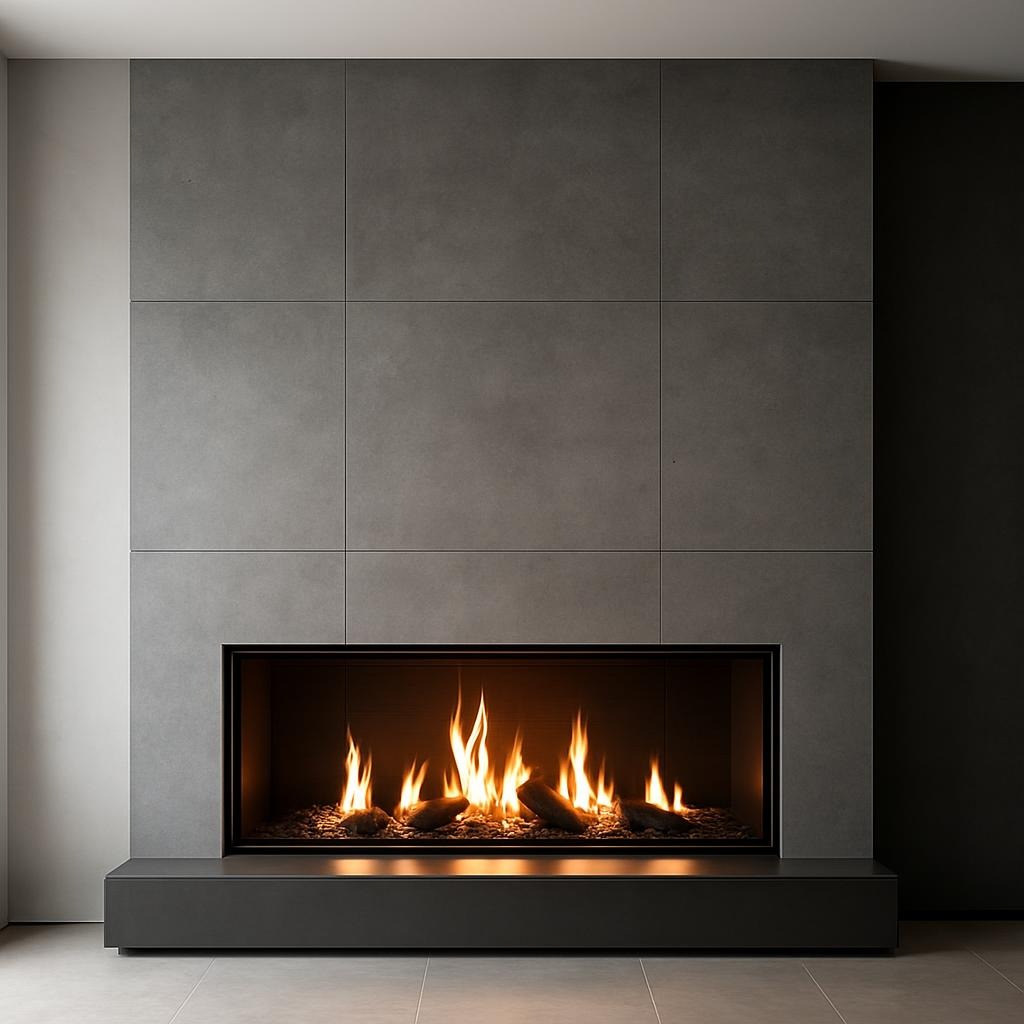
Building a fire at home, whether in a wood-burning stove or fireplace, creates a cozy atmosphere and helps reduce electricity costs. To optimize your home’s energy efficiency, use “Estonian Firewood” products in your fireplace. Remember, selecting the right wood is important, but burning it correctly is equally essential to save energy and reduce environmental impact.
Responsible Heating
Dry fuel with a moisture content below 20% is an efficient solid fuel. Burning wet or unseasoned wood generates excessive residues because moisture prevents complete combustion. These residues build up and reduce heat transfer to the heater. For example, just 1 mm of soot on chimney walls can increase fuel consumption by approximately 10%. All types of wood can be used for burning as long as they are dry and not chemically treated or impregnated.
Calorific values of common tree species (according to “Wood fuel” 2010, SA Private Forest Centre) are approximately:
- Birch: 1700 kWh/rm
- Pine: 1360 kWh/rm
- Aspen: 1330 kWh/rm
- Spruce: 1320 kWh/rm
- Alder: 1230 kWh/rm
For efficient heating, bring firewood indoors 1-2 days before use to acclimatize. Use logs with a diameter between 5 and 10 cm. Remember, your hearth is not a trash bin—never burn rubbish, plastic, or other inappropriate materials.
How to Start a Fire
- Ensure the starter slide (air vent) is open and the stove is free of ash.
- Open the chimney fully and make sure the stove door is closed properly—not ajar.
- Clear the firebox of any debris or leftover embers to prevent sparks from igniting unintended fires.
- Build the fire with natural kindling such as dry wood pellets or small wooden blocks placed on top of the log pile.
- Ignite the fire from the top rather than the bottom. Top ignition ensures more complete combustion and reaches maximum temperature faster. Bottom ignition can cause unburned wood gases to escape into the chimney.
Safety and Maintenance Tips
- Never burn plastic bags, packaging, or paper, as these release harmful pollutants that endanger health and the environment. Use only dry, untreated wood for heating.
- During combustion, maintain adequate draft and oxygen flow. Adjust airflow using the fire or ash compartment doors or regulators.
- Keep the draft fully open during active burning. Use the starter valve to initiate the fire.
- After 10-15 minutes of burning, you may open the winter valve and close the starter valve.
- Completely close the damper only when no glowing embers remain. Closing it too early can cause toxic fumes to accumulate inside the home.
- Install smoke and carbon monoxide detectors for safety.
Ventilation Requirements
Efficient combustion requires about 10 cubic meters of air per 1 kg of wood burned. Ensure your home has sufficient ventilation to maintain proper pressure and avoid combustion problems. In airtight homes, consider installing a dedicated, insulated combustion air duct with dampers to provide fresh air and ensure safe burning.
This revised version provides clear instructions, corrects grammar and spelling, and presents the information in a logical and reader-friendly way.Here is a polished and restructured version of your text for clarity and readability:
Making a Fire
Creating a fire at home—in a wood-burning stove or fireplace—is not only cozy but also helps reduce electricity costs. Optimize your home’s energy use by choosing “Estonian Firewood” products for your heating needs. Remember, selecting the right wood is essential, but burning it correctly is equally important to save energy and minimize environmental impact.
Responsible Heating
Dry wood with a moisture content below 20% is an efficient solid fuel. Burning wet or damp wood produces excess residues, as moisture inhibits complete combustion. This residue buildup decreases heat transfer efficiency; for example, just 1 mm of soot accumulation on chimney walls can increase fuel consumption by around 10%. Any wood species can be used for burning—as long as it is dry and untreated.
Approximate calorific values of common woods (from “Wood fuel” 2010, SA Private Forest Centre):
- Birch: 1700 kWh/rm
- Pine: 1360 kWh/rm
- Aspen: 1330 kWh/rm
- Spruce: 1320 kWh/rm
- Alder: 1230 kWh/rm
For best results, store firewood indoors for 1–2 days before burning and use logs 5–10 cm in diameter. Remember, never use your hearth to burn rubbish, plastic, or packaging materials.
How to Start a Fire in a Fireplace
- Open the starter slide (air inlet) and remove any ash from the stove.
- Fully open the chimney and ensure the stove door is securely closed (not ajar).
- Clear out any debris or leftover embers from the firebox to prevent accidental sparks.
- Arrange natural kindling such as small wood pellets or blocks on top of the wood pile (“top ignition”).
- Ignite the fire from above to achieve higher combustion temperatures more quickly and ensure cleaner burning. Igniting from the bottom can release unburned wood gases into the chimney.
Safety and Operation Tips
- Do not burn plastics, packaging, or rubbish; these cause harmful pollution and health risks. Use only dry, untreated wood.
- Ensure adequate airflow during burning using draft controls such as fire or ash compartment doors.
- Keep the draft fully open while the fire is burning. Use the starter valve to initiate combustion.
- After 10–15 minutes, the winter valve can be opened and the starter valve closed.
- Close the damper only when no glowing embers remain; closing it too early can cause dangerous fumes to build up indoors.
- Install smoke and carbon monoxide detectors for home safety.
Ventilation Needs
Efficient combustion requires roughly 10 cubic meters of air per kilogram of wood burned. Ensure your home provides adequate ventilation to maintain proper pressure and good combustion conditions. In airtight homes, installing a dedicated, insulated combustion air duct with dampers is recommended to supply fresh air safely.


