

Contact us: info@bestfirewood.eu
Birch firewood
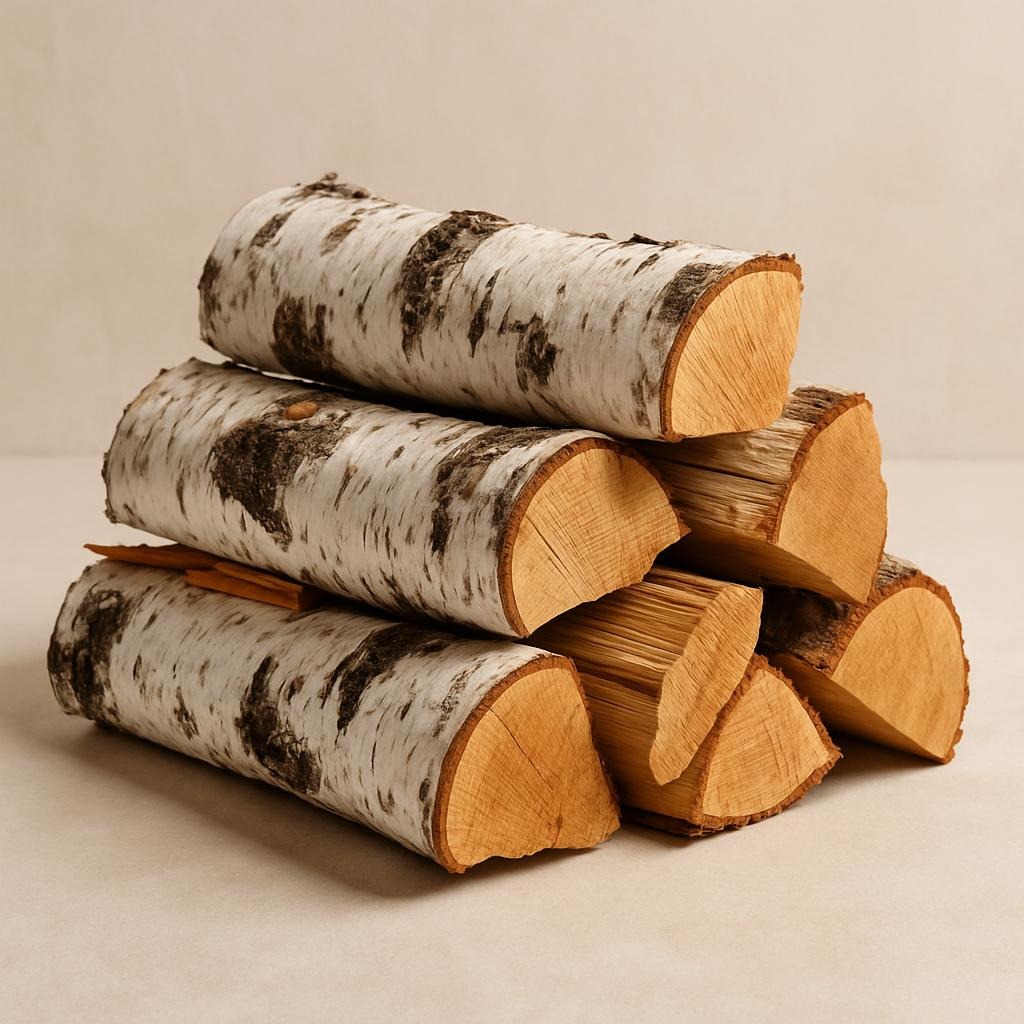
In Estonia and many other countries, birch firewood is highly valued as a fuel option due to its high quality, good availability, and excellent combustion properties. Birch is renowned for its clean and long-lasting burn, making it an ideal choice for home heating. This article compares birch firewood with other common wood species and explains why it is a favored choice among homeowners.
Benefits of Birch Firewood
Clean Burning
Birch firewood burns relatively cleanly, producing minimal soot and smoke. This makes it an excellent option for those who prioritize cleanliness in their heating systems and living environments. Compared to softwoods like pine or spruce, birch emits less soot, helping to prevent chimney clogging and reducing the frequency of chimney sweeping.
Health and Living Environment
Clean-burning fuels such as birch firewood significantly reduce indoor pollutants like soot and volatile organic compounds, which can affect respiratory health and overall well-being. This benefit is especially important for vulnerable groups such as children, the elderly, and people with respiratory conditions. Additionally, cleaner combustion means fewer unpleasant odors indoors and outdoors, enhancing the quality of life.
Durability of Heating Systems
Cleaner combustion also means less soot and tar buildup in heaters and chimneys. Over time, soot accumulation can decrease heating efficiency and pose fire risks. Using birch firewood reduces these buildups, extending the lifespan of heating appliances and increasing safety by lowering chimney fire hazards.
Environmental Impact
Birch’s cleaner burn reduces emissions that contribute to air pollution, acid rain, and other environmental problems. By lowering the amount of soot and smoke released, birch firewood supports ecosystem health and biodiversity while contributing to efforts to mitigate climate change.
Heating Cost Efficiency
Birch firewood is efficient as it burns hotter and longer, meaning less wood is needed to generate desired warmth. This efficiency helps optimize heating costs by reducing fuel consumption.
Thermal Value and Burn Time
Birch firewood has a high thermal value, producing substantial heat output, which makes it an efficient fuel for home heating. Compared to alder, which is also a good fuel wood, birch is generally warmer and more energy-dense. Its dense, hard nature ensures a long, steady burn, which is especially advantageous on cold winter nights when a long-lasting fire is desired. In comparison, softer woods such as aspen burn more quickly.
Comparison with Other Wood Species
Heat values of wood are typically measured in megajoules (MJ) per kilogram and depend on species, moisture content, and density. The following are approximate heat values for common wood types used in Estonia:
- Pine and Spruce: Softwoods with heat values of about 15-17 MJ/kg. They burn quickly and release heat rapidly, suitable for short-term heating, but produce more soot and smoke.
- Alder and Aspen: Hardwoods with lower calorific values of around 14-16 MJ/kg. Their cleaner combustion makes them good for moderate heating in spring or autumn.
- Oak: Known for high heat output (18-24 MJ/kg) and long, intense burn. Despite requiring more preparation, oak is excellent for long-term heating.
- Birch: Offers 16-19 MJ/kg, balancing good heat release with clean combustion. Birch is versatile, fitting both intensive and moderate heating needs with a good heat-to-burn ratio.
These values may vary depending on moisture levels and wood quality. When selecting firewood, it is important to balance thermal value with combustion properties to meet specific heating needs.
Summary
Birch firewood delivers an excellent combination of clean burning, high thermal output, and long burn time, making it an ideal fuel for home heating. Compared to other species, birch provides a well-rounded solution regarding heat, burn duration, and maintenance. Choosing birch firewood means investing in an efficient, clean, and comfortable heating source for your home. Learn more about our products here.
This version corrects language issues, removes untranslated portions, and improves clarity and flow for better readability and professionalism.Here is a corrected and restructured version of your text with improved flow and language:
In Estonia and many other countries, birch firewood is highly valued for its quality, availability, and excellent combustion properties. Known for its clean and long-lasting burn, birch is an ideal fuel choice for home heating. This article compares birch firewood with other common wood species and explains why it is favored by many homeowners.
Benefits of Birch Firewood
Clean Burning
Birch firewood burns relatively cleanly, producing minimal soot and smoke. Compared to softwoods like pine or spruce, birch creates less soot, helping to prevent chimney clogging and reducing chimney sweeping frequency. Clean combustion also contributes to a healthier living environment and prolongs the life of heating systems.
Health and Living Environment
Cleaner burning birch reduces indoor pollutants such as soot and volatile organic compounds, improving respiratory health and overall wellbeing—especially for children, the elderly, and those with respiratory conditions. It also minimizes unpleasant odors indoors and outdoors, enhancing comfort.
Equipment Longevity
Less soot and tar buildup result in fewer maintenance needs and lower fire risks in chimneys and heating appliances. Using birch can help extend the lifespan of your heating equipment and promote home safety.
Environmental Impact
By producing less air pollution, birch firewood supports ecosystem health and biodiversity and contributes to climate change mitigation by reducing soot and smoke emissions.
Cost Efficiency
Birch burns efficiently, releasing more heat per amount of wood, which can lower overall heating costs by requiring less fuel.
Thermal Value and Burn Duration
Birch firewood is dense and hard, providing a high thermal value and long-lasting burn. It heats effectively with less wood compared to alder, and it burns significantly longer than softer woods like aspen, making it advantageous for sustained warmth during cold periods.
Comparison with Other Common Species
Wood heat values are expressed in megajoules (MJ) per kilogram and vary with species, moisture, and density. Approximate values for commonly used Estonian firewood include:
- Pine and Spruce: Softwoods with 15-17 MJ/kg. Burn quickly but produce more soot, suited to short-term heating.
- Alder and Aspen: Hardwoods with 14-16 MJ/kg, offering cleaner combustion, suitable for moderate heat in milder seasons.
- Oak: High calorific value (18-24 MJ/kg) with a long, intense burn, ideal for long-term heating despite more preparation.
- Birch: Balanced with 16-19 MJ/kg; offers good heat output and cleaner combustion, suitable for both intensive and moderate heating needs.
These figures may vary with moisture and quality, so consider both thermal value and burn characteristics when choosing firewood.
Summary
Birch firewood combines clean burning, high heat output, and long burn times, making it an excellent choice for home heating. Its balanced properties ensure efficient warmth with lower maintenance compared to many other woods. Selecting birch means investing in a clean, efficient, and comfortable heating solution for your home. Learn more about our products here.


