

Contact us: info@bestfirewood.eu
Dried firewood
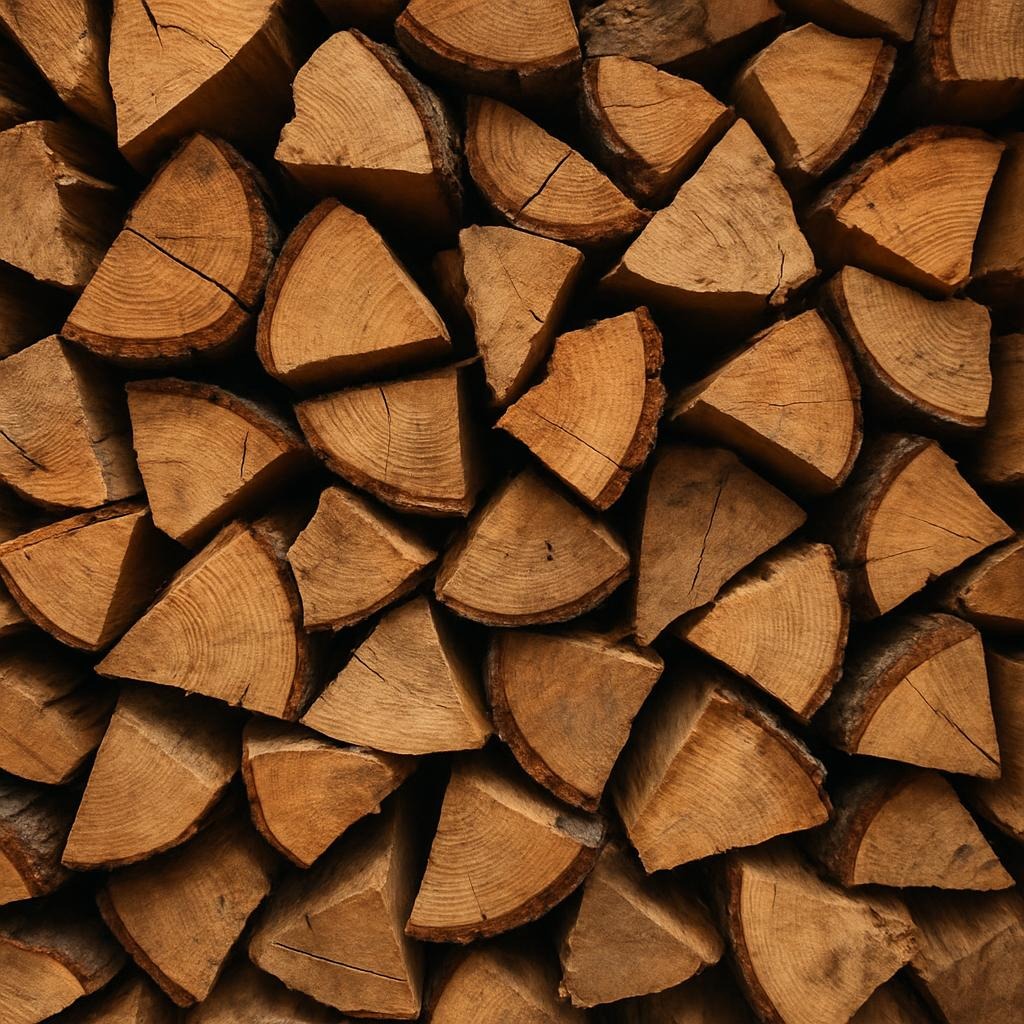
Dried firewood has become an increasingly popular heating solution for private homes, cottages, and businesses, offering an efficient, eco-friendly, and convenient way to stay warm during the colder months. This is especially important in Estonia, where winters can be long and harsh. Finding heating options that are both effective and environmentally responsible is essential. In this article, we explore why dried firewood is an excellent choice and how to select the best wood for your needs.
Why Choose Dried Firewood?
- Higher Calorific Value: Dried firewood contains significantly less moisture than fresh wood, allowing it to burn hotter and more efficiently. This means less wood is needed to generate the same amount of heat, reducing both heating costs and resource consumption.
- Cleaner Combustion: The lower moisture content helps ensure cleaner burning, minimizing the production of soot and smoke.
- Environmental Benefits: Using dried firewood reduces CO2 emissions compared to wet or partially dried wood. When sourced from sustainably managed forests, it supports forest preservation and biodiversity.
How to Select the Best Dried Firewood
Moisture Content
One of the most critical factors affecting firewood performance is its moisture content. Ideally, dried firewood should have a moisture level of 20% or less. Wood at this moisture level burns evenly, produces maximum heat, and improves combustion efficiency, making heating more cost-effective and environmentally friendly.
Importance of Moisture Content
Wood that is too wet burns inefficiently, producing excessive smoke and soot while generating less heat. Additionally, burning firewood with high moisture increases the risk of chimney blockages, which can pose fire hazards.
Drying Process
Kiln-dried firewood undergoes a controlled drying process, achieved either through natural air-drying or by using specialized kilns that accelerate drying. Air-drying requires sufficient time and proper storage with good airflow and moisture protection. Kiln drying offers precise moisture control, ensuring consistent quality.
Checking Moisture Content
Before use, it’s recommended to measure the moisture content with a moisture meter to guarantee the firewood is dry enough for efficient heating.
Additional Factors to Consider
- Wood Species: Different types of wood have varying burning characteristics. For example, birch burns quickly and is suitable for short heating periods, whereas oak burns slowly, making it ideal for long-lasting heat.
- Origin and Certification: Choose firewood certified by organizations like FSC or PEFC, indicating responsible sourcing from sustainably managed forests.
- Supplier Reliability: Opt for trustworthy suppliers who provide high-quality, certified firewood and are transparent about product origin and customer feedback.
Benefits of Using Dried Firewood
- Improved combustion efficiency leads to faster burning and higher heat output, lowering heating costs.
- Cleaner combustion results in less indoor and outdoor air pollution.
- Reduced soot buildup extends chimney lifespan and decreases cleaning frequency.
- Environmentally friendly use minimizes air pollution and supports sustainability.
Conclusion
Selecting kiln-dried firewood for heating is a smart investment in efficiency, environmental responsibility, and cost-effectiveness. Whether heating a home, cottage, or workplace, high-quality dried firewood delivers superior thermal value and cleaner combustion. By making an informed choice, you contribute to a sustainable future while keeping warm.
Do you want to ensure your home stays warm in the most eco-friendly way? Our dried firewood offers high quality, clean burning, and an ideal moisture level for efficient heating. Prepare for the cold season now by contacting us to find the perfect firewood solution. Our team will help you select the best firewood to keep your home warm and comfortable while supporting a sustainable environment.


